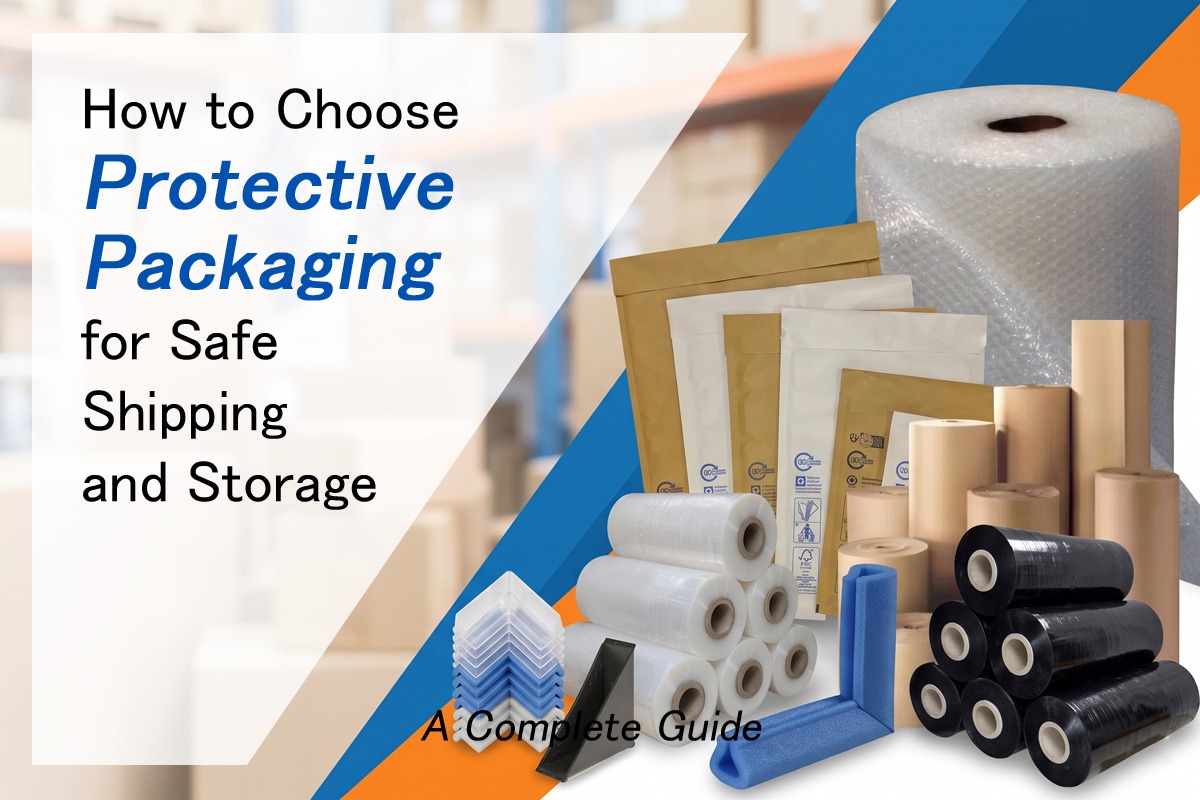
How to Choose Protective Packaging for Safe Shipping and Storage
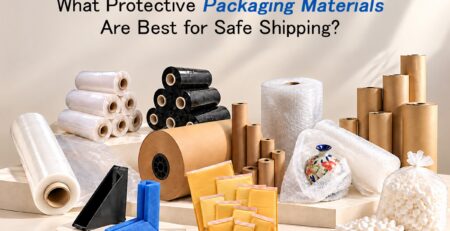
Every parcel tells a story, and you don’t want yours to end with a cracked mug or a dented corner. At Packaging Now, we see the same question again and again: what’s the right way to protect something on the move or on the shelf? The answer isn’t one magic product. It’s a mix of the right materials, used in the right order, matched to what you’re sending or storing. Whether you run a small online shop, manage a busy warehouse, or are simply boxing up your own things, this guide walks you through the options we stock, what each one does best, and how to pick without overspending. Think of it as a quick, friendly chat across the counter.
Key Takeaways
• Match the material to the item’s weight, shape, and fragility
• Wrap first, then box, then fill any gaps
• Use padded mailers for light, small items
• Choose sturdy materials for storage because dust and damp matter too
• Buy a little extra so you never pack in a rush
Why Does the Right Packing Material Matter So Much?
Damage in transit usually comes from three things: knocks, pressure, and moisture. Good protective packaging deals with all three. It absorbs bumps, distributes weight evenly, and keeps dust and moisture out.
Which Protective Materials Should You Keep in Your Packing Kit?
Here’s a simple breakdown of the essentials. Each one has a job, and you’ll often use two or three together.
Cushioning for Fragile Items
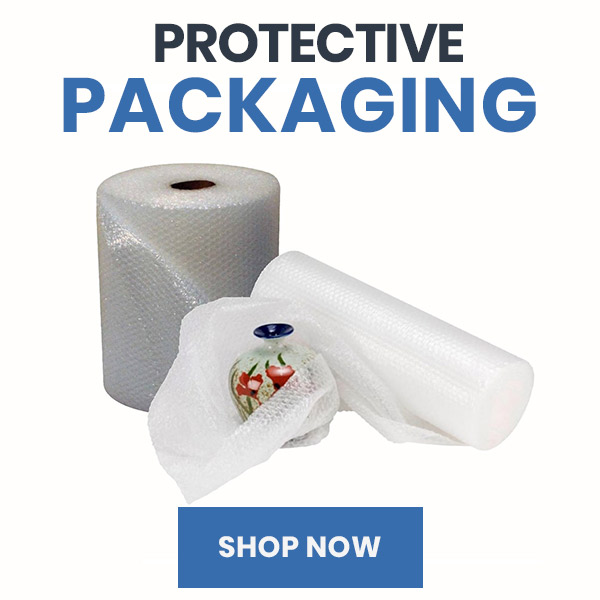
For glass, ceramics, and electronics, a roll of bubble wrap is your best friend. You can cut it to any length, wrap it around awkward shapes, and tape it down in seconds.
• Wrap small items twice for extra cushioning
• Keep bubbles facing inwards towards the item
• Tape the seams so nothing unravels in transit
• Order a bubble wrap roll if you ship daily, as it’s easier to store and cut
Big-Bubble Cushioning for Bigger Jobs
Moving furniture, lamps, or framed art? Large bubble wrap has bigger air pockets, so it absorbs heavier knocks and wraps big surfaces fast. We’d suggest it for anything you’d worry about scratching, like glass tabletops and polished wood.
• Best for: furniture, lamps and framed art
• Wrap the whole piece, then tape every edge
• Add card at corners for extra protection
• Overlap the sheets slightly so no gaps show
Cardboard Wrap for Surfaces and Edges
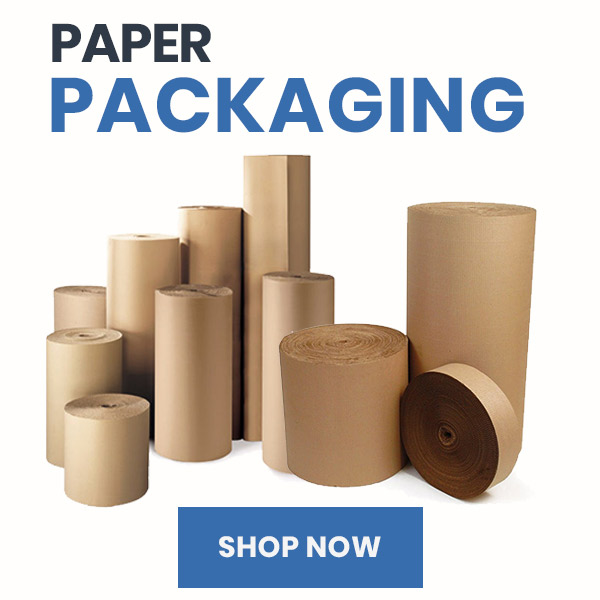
A corrugated roll is brilliant when you need a flexible cardboard layer. It wraps around bottles, pipes, furniture legs and table edges, and it’s just as handy for lining shelves in storage.
• Best for: bottles, frames and furniture edges
• Lay it on floors to protect them during moves
• Pair it with tape to hold the wrap in place
• Cut it with a sharp knife for clean, straight edges
Padded Mailers for Lightweight Items
For books, cosmetics, jewellery and small gadgets, jiffy bags are quick, light and easy on postage costs. Slip the item in, seal the flap and you’re done.
• Pick a size that fits snugly so the item can’t slide around
• Avoid overfilling because strained seams can burst open
• Add tissue inside for sharp-edged items
• Check the flap seals fully before posting
How Do You Match the Material to Your Product?
Not sure where to start? This table pairs common items with the best-suited materials.
| Industry | Typical Item | Best Material |
| Online jeweller | Rings and necklaces | Padded mailers |
| Homeware seller | Glass vases | Bubble roll plus carton |
| Furniture retailer | Table legs and edges | Corrugated wrap |
| Electronics shop | Phones and gadgets | Bubble cushioning and a snug box |
How Should You Pack for Storage Instead of Shipping?
Storing Items Long Term
Storage is a slow kind of risk. Items sit for months, so damp, dust, and stacking pressure matter more than knocks. Wrap delicate pieces in protective packaging, use sturdy boxes, and keep everything off the floor.
• Label every box with contents and a date
• Stack heavy boxes at the bottom
• Leave small gaps for air to circulate
• Check stored items every few months
What Mistakes Should You Avoid When Packing?
Common Slip-Ups
We’d rather you spot these now than learn the hard way.
• Using a box that’s too big, so items shift around
• Relying on one thin layer for heavy or fragile goods
• Forgetting to add void fill in the corner gaps
• Using weak tape on seams that carry weight
Why Choose Us for Your Packing Needs?
At Packaging Now, we make protecting your goods simple. We keep our range practical, from rolls to mailers, and explain what each product is for so you can order with confidence. With Packaging Now, you get materials chosen to do one thing well: get your items there in one piece.
What Is the Best Way to Protect Your Goods?
The best packing matches your item, your journey, and your budget. Get those basics right, and your parcels arrive safe, and your stored goods stay in shape.
FAQs
What is the best material for wrapping fragile items?
Bubble wrap. Wrap the item at least twice, tape it down, and place it in a snug carton.
Can I use padded mailers for fragile items?
Only for light, low-risk things like cosmetics or small accessories. For glass or ceramics, use bubble wrap and a rigid box.
How much cushioning does an item need?
Enough that it can’t move or touch the box walls. Aim for a few centimetres of padding on every side.
How can Packaging Now help me choose the right packing materials?
Tell us what you’re packing, how heavy it is, and how far it’s travelling, and we’ll suggest materials that suit it.
How do I protect items in long-term storage?
Wrap delicate items, use sturdy boxes, and keep everything off the floor and away from damp. Check on them every few months.