


What Is the Best Packaging for Sending Books? A Complete Guide
Sending a book by post seems easy until a clean cover returns with a scratched edge or a bent corner. Books can also slide around inside an oversized parcel, especially when there is too much empty space.
Packing doesn’t have to be complicated. Even small changes can make a noticeable difference during delivery. The right choice depends on the book’s size, weight, value, and how far it needs to travel. At Packaging Now, we know that getting these basics right can make dispatching orders much easier, whether you are sending a single order or a batch.
Key Takeaways
- Measure the book before choosing packaging
- Protect the cover, spine, edges, and corners
- Choose a snug package without squeezing the book
- Fill empty areas so the book stays in place
- Seal the parcel properly along the seams
What Do You Need to Pack a Book?
Get everything ready before you begin.
Materials to Keep Ready
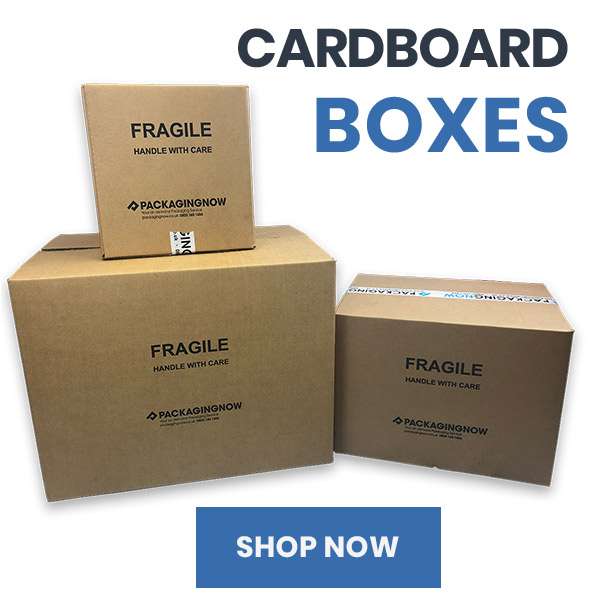
- A suitable cardboard outer package
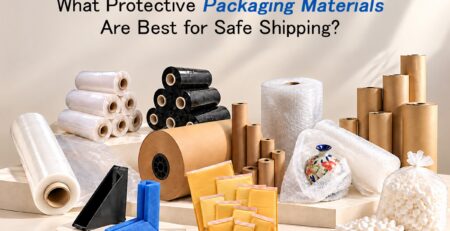
- Bubble wrap or paper wrap for cushioning
- Paper void fill for loose spaces
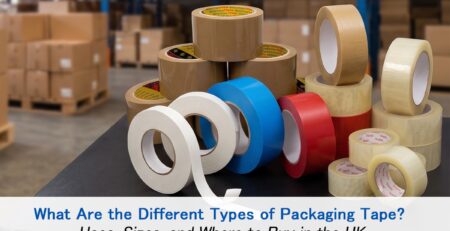
- Strong packing tape for sealing
Things to Check First
- Measure length, width, and thickness
- Check the cover, spine, and corners
- Choose packaging after taking the measurements

How Do You Pack a Book Securely?
The process is simple, but details matter. Check before dispatch, especially for valuable books.
Wrapping the Book
- Place it on a clean, flat surface
- Add bubble wrap or paper where additional cushioning is needed
- Cover vulnerable corners and the spine
A paperback may need light protection. A signed hardback deserves more care because damaged corners are difficult to replace.
Choosing the Outer Packaging
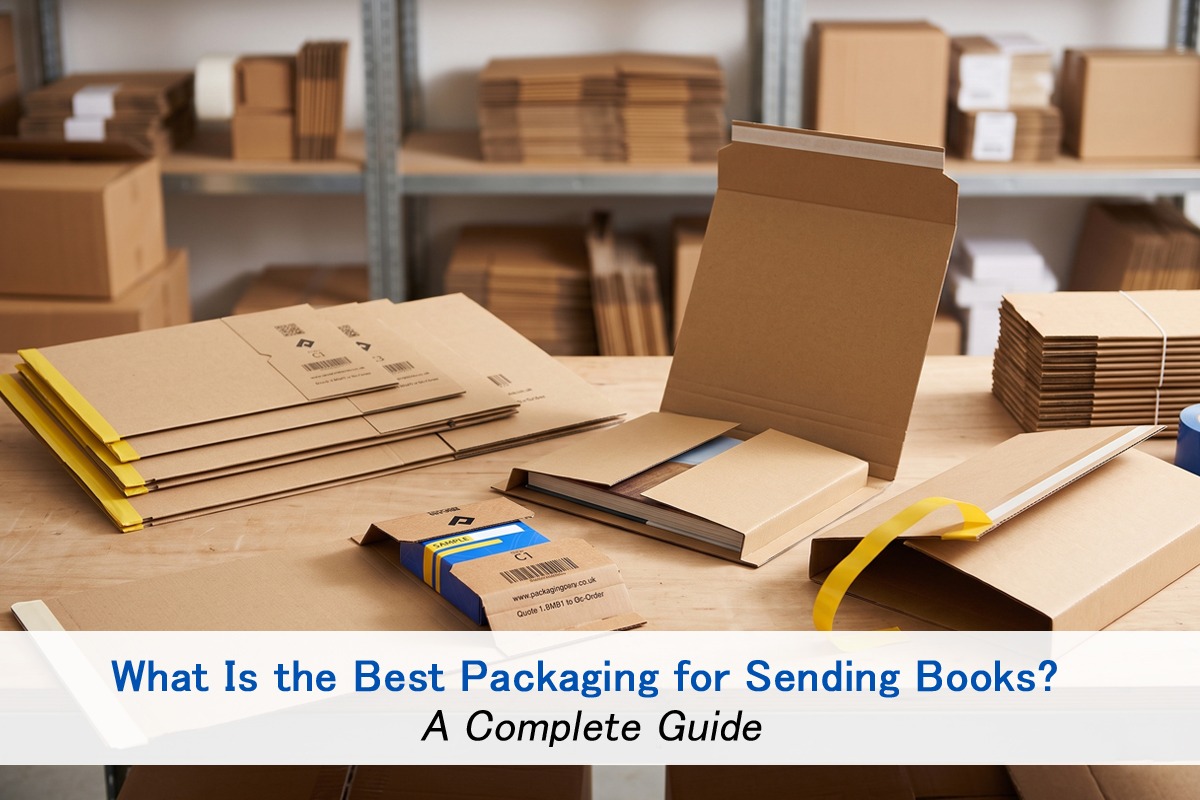
- Use an adjustable wrap for suitable individual books
- Choose a postal box for a more rigid outer layer
- Use stronger corrugated packaging for heavier books
Packaging Now offers formats for different book sizes, including book wraps and other cardboard postal packaging. Adjustable formats keep the packaging close to the book.
Preventing Movement
- Place the book flat where practical
- Add paper or suitable void fill around loose areas
- Check each side for movement
Parcels move, stack, and get handled during delivery, so keeping the book stable matters.
Sealing the Parcel
- Close every flap fully
- Tape the main opening and vulnerable seams
- Press tape firmly along the edges
Gently shake the finished parcel. If the book moves, add protection.
Which Other Box Types Can Be Used for Books?
Different books call for different packaging.
| Box Type | Example Size | Suitable Use |
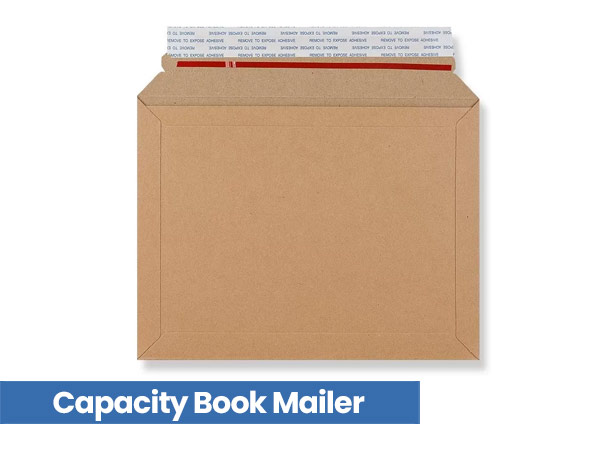
| Envelope boxes | C4, around 324 x 229 mm | Thin books and flat items |
| Book wraps | A5+, around 245 x 165 x 70 mm | Individual books |
| Cardboard postal boxes | Around 305 x 229 x 102 mm | Larger books and small bundles |
| Single wall cardboard box | Around 305 x 305 x 152 mm | Several lighter books |
| Double wall cardboard box | Around 305 x 229 x 152 mm | Heavier books and multiple copies |
If you need cheap cardboard boxes, focus on internal size, board strength, and intended use rather than price alone. A low-cost box doesn’t save much if the book moves around or the packaging cannot handle the weight.
How Can You Prevent Books from Bending During Transit?
A box that is much wider or taller than the book gives it room to move. That can lead to bent corners, scuffed covers, and pressure on the spine.
Packaging Habits That Help
- Keep books flat when possible
- Stack several books evenly
- Add void fill around the stack when needed
Mistakes to Avoid
- Do not leave a small book loose in a large box
- Do not let the spine press against an exposed edge
- Do not skip the movement check before sealing
A bookshop sending ten paperback novels could use a single wall box with paper void fill. A publisher shipping heavier textbooks may need double wall packaging. A valuable hardback could use an adjustable wrap with extra corner protection.
Why Does the Right Packaging Matter?
For businesses, packaging is part of the delivery experience. When a book arrives safely, you get fewer complaints, replacements, and returns.
Packaging Now provides different formats for booksellers, publishers, schools and other regular senders.
Conclusion
No single package works for every book. Measure first, choose the right packaging, protect vulnerable areas, and remove unnecessary movement. Then seal the parcel carefully and check it before dispatch.
For thinner books, envelope boxes can be practical. Adjustable wraps suit individual books, while sturdier cardboard options work better for heavier books or multiple copies. With a few simple checks, book packing becomes quicker, safer, and much less stressful.
FAQs
What is the best packaging for one book?
An adjustable corrugated wrap fits snugly around a single book and reduces movement.
Should I wrap a book before boxing it?
For valuable, delicate, or hardback books, an extra layer can help protect covers and corners.
Can I send books in cardboard boxes?
Yes. Choose suitable internal dimensions and add void fill if you notice movement.
How do I stop books moving in a box?
Use close-fitting packaging and fill remaining gaps with suitable protective material before sealing.
What size box do I need for books?
Measure the book first, then choose packaging that provides enough room for protection without excess space.