
What Protective Packaging Materials Are Best for Safe Shipping
Shipping isn’t just about putting an item in a box and sending it away. The right material controls movement, absorbs knocks, cushions fragile surfaces, and keeps products presentable. Packaging Now offers a range of protective packaging materials for parcels and delicate goods, including bubble wrap, corrugated rolls, kraft paper, loose fill, postal boxes, and padded mailers. This guide covers materials, uses, sizes, and benefits, helping you choose without overpacking your orders. For retailers and warehouse sellers, that choice can affect packing speed, postage efficiency, and the customer experience. A good setup should protect products, support efficient packing, and avoid unnecessary material during regular dispatch. It should suit product weight and shape.
Key Takeaways
- Match protection to the product’s fragility, size, and shape
- Use small or large bubble wrap based on the cushioning required
- Fill empty spaces to prevent products from shifting during transit
- Choose the right protective packaging from Packaging Now for safer shipping
- Protect vulnerable edges, corners and surfaces with suitable materials
What Should You Know Before Shipping?
Good packaging starts with the product, not the box. Glass, books, electronics and palletised loads face different risks. Understanding the material helps you choose cushioning without adding unnecessary weight, cost or waste. The range covers cushioning, wrapping, void fill and postal solutions.
Which Protective Materials Are Available?
-
Bubble Wrap
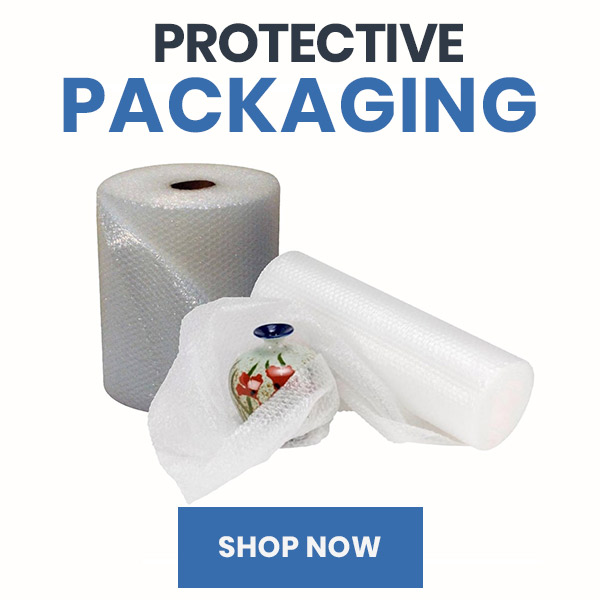
Bubble wrap cushions fragile and scratch-prone goods. Small bubbles suit compact products; larger bubbles provide more cushioning.
- Wrap glassware, ceramics, and electronics
- Cut sheets or use as void fill
-
Corrugated Roll
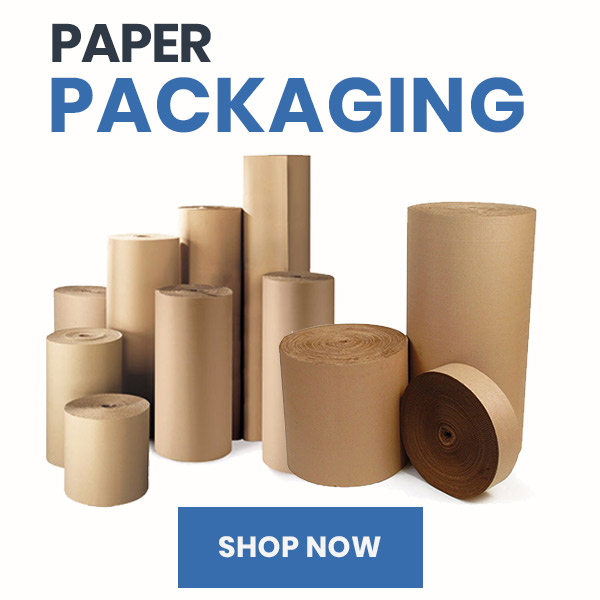
Single-faced corrugated roll adds a fluted protective layer around products, surfaces, and edges.
- Wrap furniture, glass and ceramics
- Separate layers or line cartons
-
Edge and Corner Protection
Edge protection targets corners, rims and exposed edges, with foam, board and plastic options.
- Protect furniture and appliance corners
- Add support against impact
-
Loose Fill
Loose fill fills empty carton space and cushions irregular products. The biodegradable option is compostable.
- Fill gaps around irregular products
- Use for glassware and electronics
-
Kraft Paper
Pure and imitation kraft paper wrap products, separate layers, and provide paper-based void fill. Imitation kraft uses recycled material.
- Wrap parcels, bottles, and textiles
- Choose sheets or rolls
-
Pallet Covers
Pallet covers create an outer barrier against dust and moisture.
- Cover completed pallets for transport
- Add protection against environmental exposure
-
Machine Stretch Film
Machine stretch film secures palletised loads during handling and transit.
- Use 17 micron for lighter loads
- Use 23 micron for heavier loads
-
Postal Protection
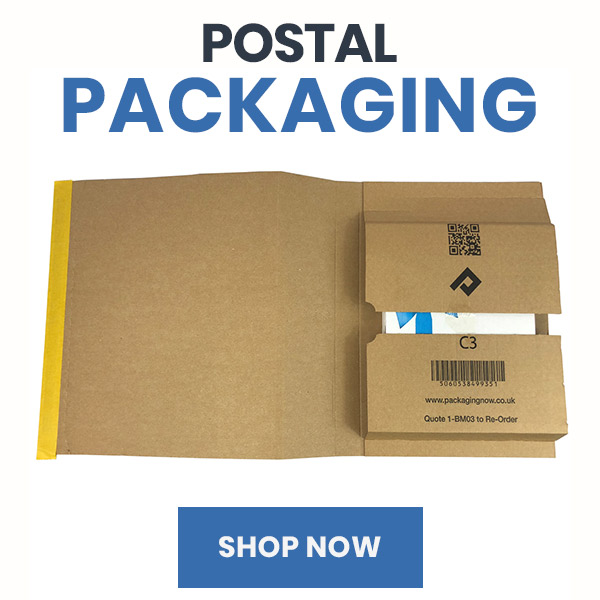
Self-seal postal boxes, envelope boxes and book wraps offer rigid protection for smaller or flat products.
- Select rigid formats for books and documents
- Add cushioning when contents can move
Practical Combinations
Protection often works best as a combination. A glass bottle may need bubble wrap, kraft void fill, and a rigid box.
- Build from inner cushioning to outer containment
- Avoid oversized packs that allow movement
How Do You Choose the Right Material for Each Product?
Start with the product’s weak points. Fragile surfaces need cushioning; corners need reinforcement; loose items need void fill; flat products may need rigid postal packaging. Pallet covers and stretch film support larger loads.
| Product or shipping need | Suitable material | Why it works |
| Glass, ceramics | Bubble wrap + box | Cushions impact and adds rigidity |
| Books, documents | Bubble mailer or postal box | Protects edges and stays compact |
| Furniture parts | Corrugated roll | Wraps large or awkward surfaces |
| Small boxed items | Loose fill + postal box | Restricts movement |
| Palletised goods | Stretch film + pallet cover | Secures loads and limits dust |
What Sizes and Specifications Should You Check?
Packaging Now provides protective packaging materials in different sizes. The table below will help you understand what we provide.
| Material | Sizes/specifications | Main benefit |
| Small bubble wrap | 300–1500mm wide x 100m | General cushioning |
| Large bubble wrap | 300–1500mm wide x 50m | Extra impact protection |
| Bubble mailers | 150 x 215mm to 270 x 360mm listed | Compact cushioning |
| Corrugated roll | 150–1800mm wide x 75m | Flexible wrapping |
| Pure kraft roll | 500–1200mm wide x 225m, 88gsm | Wrapping and void fill |
| Kraft sheets | 750 x 1150mm; 900 x 1150mm, 88gsm | Ready-cut protection |
| Imitation kraft | 300–1500mm wide x 200m, 90gsm | Wrapping and separation |
| Edge protection | Foam, board or plastic options | Corner protection |
| Machine stretch film | 17, 20 or 23 micron | Pallet load containment |
| Postal boxes | 120 x 110 x 80mm to 310 x 220 x 150mm | Structured mailing |
| Loose fill | 5 cubic feet biodegradable pack | Fills empty space |
Check dimensions rather than relying on a size label. Box dimensions and roll width affect efficiency. Check your carrier’s current size and weight rules.
What Are the Benefits of Using the Right Protection?
Safer Transit
Cushioning reduces impact and controls movement.
- Absorbs shocks and vibration
- Protects corners, faces, and finishes
Efficient Packing
The right format speeds packing and reduces excess.
- Cuts unnecessary void space
- Supports consistent packing routines
Better Sustainability
Recycled paper and biodegradable options can reduce the amount of non-recyclable material.
- Use recycled or recyclable options where practical
- Match material quantity to actual protection needs
What Should You Remember Before Shipping?
Safe shipping starts before sealing. Measure the product, identify weak points, and choose protection for the real handling risks in transit. Packaging Now offers cushioning rolls, paper protection, pallet containment, and padded mailers to help businesses build a complete packing setup. The goal is not maximum material; it is the right material, in the right amount, with a secure outer package.
Frequently Asked Questions (FAQs)
What is the best material for protecting fragile items?
Bubble wrap with a rigid box suits many fragile products.
Can I use kraft paper instead of bubble wrap?
Yes. It works for wrapping, separation, and void filling.
Are bubble mailers suitable for electronics?
Yes, for smaller electronics that fit securely.
Does Packaging Now offer biodegradable loose fill?
Yes. Biodegradable, compostable loose fill is available.
Are self-seal postal boxes good for e-commerce?
Yes. They provide quick assembly and rigid protection.


